Di Gunung Dempo ada Materi Murni Melebihi Emas?
September 3, 2013 at 8:26 am | Posted in Uncategorized | Leave a commentDi Gunung Dempo ada Materi Murni Melebihi Emas?
Silahkan baca beritanya dibawah ini yang saya kutip dari detik.com
 |
| Penemuan Arca Dewi di Pagaralam/ Dok Detikcom |
Continue Reading Di Gunung Dempo ada Materi Murni Melebihi Emas?…
Info Seminar: An International Seminar on IRANIAN ACHIEVEMENTS IN SCIENCE, TECHNOLOGY, AND CULTURE For Bolstering Scientific and Cultural Relation between Indonesia and Iran
February 12, 2013 at 2:01 am | Posted in Seminar-seminar | 8 CommentsInfo Seminar: An International Seminar on IRANIAN ACHIEVEMENTS IN SCIENCE, TECHNOLOGY, AND CULTURE For Bolstering Scientific and Cultural Relation between Indonesia and Iran
February 11, 2013 by zainabzilullah
Husain Heriyanto
Bismillahi wa billahi w-alhamdulillah,
Salam rekan-rekan ACRoSS – aktivis peradaban, pencinta ilmu pengetahuan, pengkhidmat kebijaksanaan
Juga Penasehat ACRoss: Pak Haidar Bagir, Pak Osman Bakar, Pak Zainal Abidin Bagir
Izinkan saya kirimkan Surat Undangan dan Poster sebuah Seminar Internasional tentang Sains-Teknologi-Budaya Republik Islam Iran yang akan diselenggarakan di FIB-UI pada 18 Pebruari 2013 nanti.
Insya Allah, buku saya -dengan kapasitas Direktur ACRoSS- berjudul “Revolusi Saintifik Iran” (UI Press, 2013) akan diluncurkan pada kesempatan yang sama. Disamping itu akan ada Eksibisi Foto dan Film tentang Perkembangan Sains dan Teknologi Rep. Islam Iran; juga pertunjukan musik tradisional Iran.
O ya, khusus untuk aktivis ACRoSS, saya bocorkan sebuah info bahwa akan ada bagi-bagi hadiah (door prize) buku “Revolusi Saintifik Iran” bagi 150 pendaftar seminar pertama.
Sampai jumpa di Gedung IX FIB-UI, Depok tgl 18 Peb. nanti, insya Allah.
Terima kasih
Wassalam
Husain Heriyanto
Izinkan saya untuk mengelaborasi sedikit latar belakang dan tujuan penyelenggaraan seminar ini. Tema seminar memang tentang Iran, khususnya mengenai perkembangan sains-teknologi yg spektakuler di negeri itu dalam kondisi yg sulit. Namun, konteks seminar adalah bagaimana Indonesia bisa mengambil pelajaran dari fenomena unik ini dan terdorong untuk menjalin hubungan saintifik dan budaya antara kedua negara Muslim yg non-Arab ini. Pembicara pun sebagian besar adalah sarjana Indonesia, yg secara alamiah tentu akan membahas Iran dalam perspektif Indonesia. Jadi, seminar ini bukan hanya mengundang sarjana Iran untuk menceramahi kita; tetapi bagaimana kita secara aktif belajar dari Iran untuk kemajuan sains-teknologi Indonesia.
Sebagaimana yg kerap dikemukakan almarhum Cak Nur, umat Islam Indonesia perlu menggali salah satu akar penting tradisi intelektual Islam, yaitu Persia (Iran). Dalam peradaban Islam yg lalu, para sarjana Muslim Iran yang membangun sains, filsafat, tasawuf dan sastra; sementara orang-orang Arab sibuk berkutat dalam masalah politik dan kekuasaan. Dan sekarang, setelah Revolusi Islam 1979, Iran kembali masuk dalam jajaran terdepan dalam kemajuan sains-teknologi.
Iran bisa menjadi partner yang dapat diandalkan untuk pengembangan sains-teknologi tanah air kita untuk masa depan. Selama ini bangsa kita berkiblat kepada negara-negara Barat (AS dan Eropa) dan Jepang, lalu Korea Selatan, Taiwan, dan China. Hasilnya: sudah 67 tahun merdeka kita masih bergantung kepada pihak asing dalam iptek. Negara-negara asing ini enggan mentransfer sains-teknologi terutama yg dianggap bernilai ilmiah dan praktis tinggi. Saya sempat berdiskusi dengan sejumlah pengamat dan peneliti di bidang industri teknologi tinggi dan kami temukan bahwa perusahaan2 asing yang menggunakan teknologi tinggi tidak pernah mengangkat sarjana Indonesia sebagai pimpinan/direksi bidang R&D (riset dan pengembangan). Hampir semua direksi/manajer/pimpinan yang diisi oleh tenaga Indonesai adalah berurusan dengan marketing atau PR atau semacam itu; tapi, urusan rahasia dapur industri mengenai sanis-teknologi dikuasai oleh orang asing.
Oleh karena itu, banyak tamatan ITB atau ITS yg bekerja di bidang perminyakan dan pertambangan tetapi urusan marketing atau PR. Jadi, ilmuwan/insinyur/tenaga ahli kita hanya dipakai untuk menjual barang mereka ke pasar kita sendiri (atau internasional) dan juga tameng (sbg PR) untuk berhadapan dengan pemerintah/masyarakat kita sendiri. Coba saja tengok perusahaan2 seperti Newmont, ExxonMobil, Freeport dll, sarjana2 Indonesia lebih banyak dipakai di lini yg tak berkaitan langsung dengan penguasaan sains-teknologi; kalaupun ada biasanya hanya sebagai lapisan pendukung. Kita juga masih ingat bagaimana perusahaan Black Berry (BB) hanya menjadikan Indonesia sebagai pasar produk-produk mereka tetapi bikin pabrik di negeri lain. Negeri kita memang hanya dianggap pasar empuk barang2 asing.
Beberapa kawan saya malah menduga kuat bahwa hal itu (pembonsaian kapasitas iptek Indonesia) memang didesain sejak dini agar bangsa Indonesia -yg sangat kaya sumber daya alam – tetap bergantung kepada asing. Menurut hemat saya, analisis ini tentu saja tidak menafikan faktor keengganan kita sendiri selaku bangsa untuk menekuni penguasaan sains-teknologi. Terlepas dari apakah hal itu memang desain atau tidak, yg pasti adalah bangsa kita kenyataannya masih jauh dari kemandirian dalam iptek terutama untuk sains2 dasar dan teknologi tinggi. Fakta lainnya adalah tawaran2 beasiswa dari negara2 Barat umumnya hanya berlaku untuk program2 studi seperti demokrasi, pluralisme, politik liberal, feminisme, terorisme dan semacamnya. Jangan sekali-kali berharap Harvard University atau Oxford University, misalnya, menawarkan beasiswa terbuka untuk sains bioteknologi, nanoteknologi atau nuklir.
Nah, berbeda dengan negara2 Barat, Iran sangat terbuka untuk berbagi pengetahuan ilmiah kepada negara2 berkembang apalagi dunia Muslim. Hal ini sudah dinyatakan beberapa kali oleh pemimpin Iran bahwa prestasi sains-teknologi Iran adalah juga milik negeri-negeri Muslim. Pada bulan November 2012 lalu, Wapres Iran urusan Sains dan Teknologi, Dr. Nasrin Soltankhah, mengumumkan diluncurkannya program “Great Prophet World Prize”, semacam Hadiah Nobel dwi tahunan untuk ilmuwan/peneliti Muslim seluruh dunia dalam tiga bidang: kedokteran, bioteknologi, dan nanoteknologi. Wapres perempuan Iran itu pun menawarkan bantuan dan kerjasama sepenuhnya bagi negara-negara Muslim untuk mengembangkan sains dan teknologi. Di lapangan, Iran sudah membantu negara2 tetangganya Pakistan, Afghanistan, Turkmenistan, Irak, Turki, Suriah, Lebanon, Azerbaijan, Armenia, dan Sudan membangun pembangkit listrik. Menurut Pak Dahlan Iskan, Menteri BUMN kita, yang pernah berkunjung ke Iran ketika menjabat direktur PLN, Iran adalah satu-satunya negara Islam yg bisa membuat turbin dan pembangkit listrik sepenuhnya secara mandiri.
Indonesia, negeri Muslim terbesar di dunia, pasti memiliki daya tarik yang kuat bagi Iran untuk melakukan kerjasama di bidang iptek. Dan Iran sudah sering menunjukkan niat itu. Sayangnya, kita tidak merespons kesempatan emas itu. Entah kenapa, para pejabat kita lebih memilih sebagai broker perusahaan2 asing Barat yang mengeksploitasi kekayaan alam kita… lebih memilih sebagai perakit produk2 Jepang…lebih memilih penjual produk2 China.
Kenapa kita tidak menyambut tawaran Iran untuk bersama-sama sebagai negara pencinta kemerdekaan dan perdamaian mengembangkan sains-teknologi guna membangun bangsa yg berdaulat secara politik, berdikari secara ekonomi, dan berkepribadian dalam kebudayaan? Bukankah hal itu sejalan doktrin Bung Karno tentang TRISAKTI? Bukankah realitas Republik Islam Iran yang teguh dengan prinsip independensi, kedaulatan dan martabat bangsa sejalan dengan cita-cita proklamator kita?
Wassalam
Husain Heriyanto
Catt.
Berikut saya lampirkan latar belakang dan tujuan seminar.
An International Seminar on
IRANIAN ACHIEVEMENTS IN SCIENCE, TECHNOLOGY, AND CULTURE
For Bolstering Scientific and Cultural Relation between Indonesia and Iran
1. BACKGROUND
Indonesian Vice President Boediono, in a meeting with Iran’s Supreme Leader Ayatollah Ali Khamenei on the sidelines of the 16th NAM in Tehran last August, said there are many grounds for economic and cultural cooperation between Iran and Indonesia. While Indonesian Foreign Minister Marty M. Natalegawa in a meeting with his Iranian counterpart Ali Akbar Salehi underscored the importance of the expansion of his country’s ties with Iran, and called for the development of Tehran-Jakarta relations in line with the two nations’ common interests.
Indonesian Ambassador to Tehran Dian Wirengjurit underlined the necessity for the further expansion of relations with Iran, and said there are abundant common grounds between the two countries in various fields of culture, religion and economy. Wirengjurit mentioned that Iran has made good progress in building the country’s infrastructure for supplying water, electricity, natural gas, telecommunication, road and rail; in this regard, Jakarta is willing to take technological help from Iran.
In reference to those intentions for expanding cooperation between Iran and Indonesia, Iranian President Mahmoud Ahmadinejad highlights that the Iranian nation’s progress in science and technology will serve the interests of human society. Iran has sought scientific progress and technological achievements not to dominate other nations but to promote friendship, love and justice among nations to maintain the ultimate goal of advancing the human society.
Iran has made huge achievements in various fields of science and technology, from nuclear science and technology to stem cell, biotechnology and nanotechnology. Royal Society published its report in 2011 that Iran is the fastest growing country for science. Iran has the fastest rate of increase in scientific publication in the world in which its output rose 18-fold between 1996 and 2008, from 736 published papers to 13,238. While a 2010 report by Canadian research firm Science-Metrix has put Iran in the top rank globally in terms of growth in scientific productivity with a 14.4 growth index followed by South Korea with a 9.8 growth index. According to the Institute for Scientific Information (ISI), Iran increased its academic publishing output nearly tenfold from 1996 to 2004, and has been ranked first globally in terms of output growth rate.
2. OBJECTIVES
Based on the above-mentioned description, the Faculty of Humanities, University of Indonesia in cooperation with the Islamic Republic of Iran’s Embassy in Jakarta, will convene an international seminar with the objectives as follows;
1. To establish cultural and scientific cooperation between Indonesia and Iran.
2. To expand further cooperation between two countries in the development of science and technology
3. To promote good relationship and friendship between two countries
4. To share Iran’s scientific progress and technological achievements
5. To help bridge cooperation between Indonesian universities and Iranian universities in the academic and scientific enterprises.
KEBERANIAN MENGAFIRMASI REALITAS MENUJU BUDAYA UNGGU
May 11, 2012 at 7:45 am | Posted in Artikel: Wawasan | Leave a commentKEBERANIAN MENGAFIRMASI REALITAS MENUJU BUDAYA UNGGUL
Husain Heriyanto[1]
Hanya melalui cita-cita etik yang berdasarkan nalar, manusia dan masyarakat dapat mengadakan hubungan yang layak dengan realitas. Tanpanya, kita akan disapu oleh apa saja yang terjadi.
(Albert Schweitzer)[2]
Terima kasih Alam Semesta! Terima kasih Sejarah!
Bangsa Indonesia tak putus-putusnya menerima pelajaran yang teramat mahal: “terapi ontologis dan epistemologis” oleh kosmos dan sejarah. Semesta alam, ibu kandung yang menyapih potensi kemanusiaan kita, tak henti-hentinya menyapa bangsa ini dengan ragam modus, mulai dari yang paling ramah hingga yang amat kasar. Arus zaman bertubi-tubi membangunkan tidur panjang kita, terkadang menyubit lembut kadang keras, sekali waktu menyoraki kita lain waktu menempeleng keras wajah kita.
Continue Reading KEBERANIAN MENGAFIRMASI REALITAS MENUJU BUDAYA UNGGU…
Kebangkitan Tradisi Intelektual Islam
February 29, 2012 at 8:23 am | Posted in Artikel: Wawasan | 1 Comment
Kebangkitan Tradisi Intelektual Islam
An Inquiry on the Possibility of Man’s Authenticity in Transcendent Philosophy
April 18, 2011 at 2:52 am | Posted in Artikel: Wawasan | Leave a commentAn Inquiry on the Possibility of Man’s Authenticity
in Transcendent Philosophy
Husain Heriyanto
Salam,
Para aktivis ACRoSS ICAS yang selalu giat dan menggiatkan aktivitas keilmuan-kearifan, di mana pun kalian kini ada dan mengada… Saya bersyukur bahwa semua aktivis ACRoSS kini berkiprah di dunia keilmuan dan aktivisme intelektual Islam, Alẖamdulillāh…
Seperti yang saya janjikan sebelumnya saya akan mengirim tulisan hikmah sebagai hadiah kepada Ms Ista yang baru saja memperoleh amanah dan anugerah Allah SWT berupa kehadiran seorang putri, yang mudah-mudahan menambah barisan orang-orang yang mencintai hikmah dan kearifan. Semoga hadiah hikmah ini bermanfaat..!
27 Maret lalu, dalam sebuah seminar di ICAS Jakarta, saya mempresentasikan paper dengan judul “An Inquiry on the Possibility of Man’s Authenticity in Transcendent Philosophy (ẖikmah muta’āliyah)”; sebuah topik yang –sejauh saya ketahui melalui buku-buku/jurnal-jurnal dan seminar-seminar nasional/internasional- belum pernah dikemukakan oleh siapapun. Tentu saja, topik otentisitas sudah kerap dibahas khususnya dalam filsafat eksistensialisme modern, tapi tak pernah dalam ẖikmah muta’āliyah. Hal ini bisa dimengerti mengingat konteks kelahiran ẖikmah yang merupakan hasil dari pengalaman dan perenungan Mullā Shadrā yang sepenuhnya metafisis tentang makna eksistensi (wujūd, being), bukan berangkat dari problem sosial kemanusiaan sebagaimana yang terjadi pada kemunculan eksistensialisme modern.
Continue Reading An Inquiry on the Possibility of Man’s Authenticity in Transcendent Philosophy…
World Philosphy Day by UNESCO
December 1, 2010 at 2:13 am | Posted in Seminar-seminar | Leave a commentBismihi Ta’al
Dear all researchers of ACRoSS
Salam
 Sebagaimana yang dimaklumi, saya baru saja turut serta dalam Kongres Hari Filsafat Dunia, World Philosophy Day 2010 di Tehran (21-24 Nov). Sejak tahun 2005, World Philosophy Day (WPD) setiap tahun diselenggarakan oleh UNESCO dalam upaya memperkenalkan filsafat sebagai media dialog antar kebudayaan dan peradaban. Setelah tahun lalu di Rusia, tahun ini diselenggarakan di Tehran – Iran , dengan tema “Philosophy: Theory and Practice”.
Hadir sekitar 100 tamu undangan dari 42 negara seperti China, Korea, Jepang, USA, UK, Hungaria, Rusia, Polandia, Jerman, Perancis, Kanada, Swiss, Italia, Brasil, Nigeria, Libanon, Tunisia, Kenya, Mesir, Maroko, negara2 Asia Tengah, Asia Selatan, dan Asia Tenggara di samping dari Iran sendiri yg paling banyak.
‘Filsafat Islam Perlu Dihidupkan Lagi’
January 13, 2009 at 6:44 am | Posted in Uncategorized | 1 CommentRepublika, Rabu, 07 Januari 2009 pukul 07:58:00
 JAKARTA — Umat Islam diingatkan untuk menghidupkan kembali filsafat Islam. Inteletual Muslim, Dr Haidar Bagir mengatakan, kehadiran filsafat Islam yang telah ‘mati’ sangat diperlukan kaum Muslimin di era modern ini. Filsafat Islam, tutur dia, dapat memberi manfaat bagi kehidupan umat.
 ”Filsafat Islam bisa mengembalikan makna hidup yang sebenarnya,” ungkap pendiri Islamic College for Advanced Studies (ICAS) itu di sela-sela acara A Set of Conferences Across Java di Jakarta, Selasa (6/1). Presiden Direktur Mizan itu menambahkan, akibat tak mengetahui dan mengenal filsafat Islam, masyarakat Indonesia seakan telah kehilangan pegangan dan makna hidup.
 Menurut Haidar, filsafat Islam bisa mendorong kaum Muslim benar-benar memahami kompleksitas persoalan pembangunan sistem-sistem kehidupan alternatif. Hanya dengan menguasai isu-isu filosofis mendasar, papar dia, kaum Muslim dapat berpartisipasi dalam upaya mencari sistem-sistem terbaik bagi kepentingan semua orang.
Continue Reading ‘Filsafat Islam Perlu Dihidupkan Lagi’…
Filsafat Islam Sangat Kaya dengan Khazanah
January 12, 2009 at 8:19 am | Posted in Foto-foto Seminar ACRoSS | Leave a commentRepublika Minggu, 11 Januari 2009 pukul 13:35:00
KABAR
Filsafat memiliki komitmen intelektual untuk mengatasi problem peradaban kontemporer.
 Agama Islam memiliki ajaran yang sempurna dan lengkap. Berbagai permasalahan, baik keagamaan ataupun kemasyarakatan, bisa ditemukan dalam Al-Qur’an maupun hadis Rasulullah SAW. Sesuatu yang belum dibicarakan dalam kedua sumber hukum Islam tersebut merupakan tantangan bagi umat Islam untuk menggalinya lebih mendalam. Seperti ilmu kedokteran, matematika, teknologi, dan lainnya.
Lalu, bagaimana dengan filsafat? Banyak pihak yang menganggap, bahwa ilmu filsafat dalam Islam lahir dari upaya serius yang dilakukan oleh Abu Yusuf Ya’kub Al-Kindi. Al-Kindi banyak menyunting dan menerjemahkan buku-buku karya para filosof terkenal Yunani, seperti Aristoteles, ke dalam bahasa Arab. Dengan penguasaan ilmu bahasa yang mumpuni, membuat karya dan hasil terjemahan Al-Kindi menjadi sangat bernilai dan dikenal sebagai karya terjemahan yang paling akurat dan prestisius. Kemudian, muncul pula filosof Islam lainnya, seperti Al-Biruni, Ibnu Sina, Al-Razi, serta Al-Tusi.
Continue Reading Filsafat Islam Sangat Kaya dengan Khazanah…
Philosophy Emerging from Culture: Islamic Thought and Indonesian Culture
December 31, 2008 at 2:40 am | Posted in Seminar-seminar | 1 CommentA Set of Conferences across Java
(Jakarta, Bandung, Yogyakarta, Surabaya, Malang)
5 – 15 January 2009
Philosophy Emerging from Culture:
Islamic Thought and Indonesian Culture
Islamic College for Advanced Studies (ICAS) Jakarta, in cooperation with The Council for Research in Values and Philosophy (CRVP), the Catholic University of America, Washington, the International Society for Islamic Philosophy (ISIP) and Mizan Publisher, is organizing a series of conferences in 10 host institutions:
Continue Reading Philosophy Emerging from Culture: Islamic Thought and Indonesian Culture…
Islamic Thought and Indonesian Culture
December 23, 2008 at 8:19 am | Posted in Seminar-seminar | Leave a commentPhilosophy Emerging from Culture:
Islamic Thought and Indonesian Culture
A set of conferences across Java
(Jakarta, Bandung, Yogyakarta, Surabaya, Malang)
January 2009 Java, Indonesia
Background
Global times now endow — and challenge – us with a broad diversity of cultures and civilizations. At the same time the progressive deepening of human concerns reaches beyond what is clear and distinct to what is of meaning and value, and beyond what is universal and necessary to the free human creativity of diverse peoples. This directs attention to the way persons and communities, working cumulatively over time and space have generated their cultural traditions. These two dimensions: one of global breadth and the other of the depth of the human spirit, now combine to open new sources for the human spirit.
There is a need to “rethink philosophy” in order to enable the vision of philosophy to be more inclusive and profound. In this light, there is an opportunity of many world cultures and civilizations to formulate their own heritages their philosophical insights and contributions. The goal will be to enrich philosophical awareness so that its horizons can be broad enough for all peoples to be truly at home therein
A C R o S S – ICAS Jakarta Indonesia
A C R o S S
>
</p
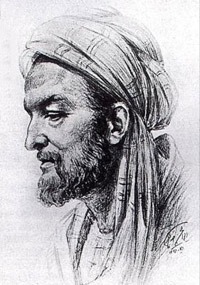
ISLAMIC COLLEGE FOR ADVANCED STUDIES (ICAS) JAKARTA-INDONESIA: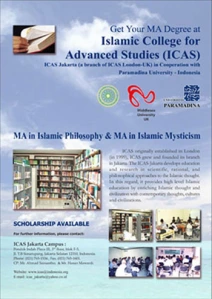

A C R o S S
Aviciena Center for Religions and Sciences Studies ( ACRoSS )
- Islamic College for Advanced Studies ( ICAS )
Jakarta - Indonesia.
Situs Majalah Madina: "Majalah Islam Populer yang Terbuka, Bijak dan Mencerahkan"
Salam,
Recent Comments
Peta Pengunjung :



 acrossindonesia.wordpress.com